 Just a few hours ago, I completed an epic journey that I began over ten years before.
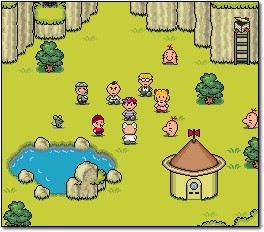
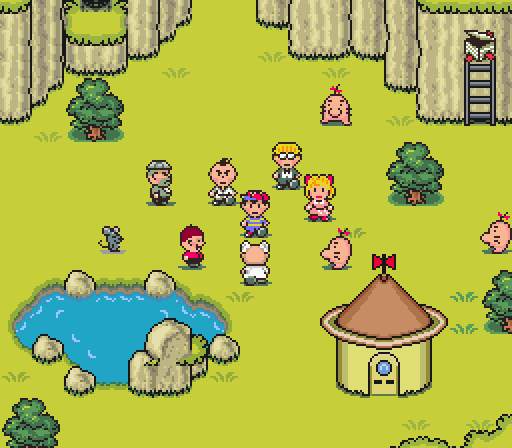
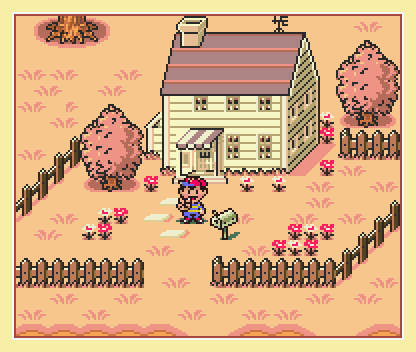
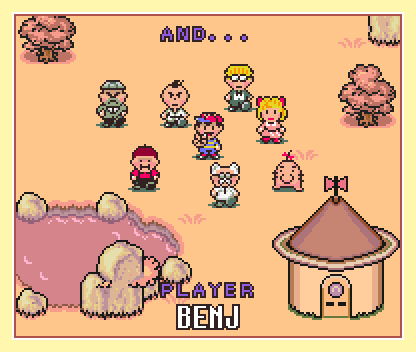
I finally finished the game EarthBound for the Super Nintendo.
I know, I know. Usually, completing a game is no big deal, and most people probably finish EarthBound in the span of a week. But in this particular case, the accomplishment meant something much more to me. I began playing the game in 1996 when I first acquired my copy of EarthBound used from a local Blockbuster store (a video rental chain in the US). I have slowly played through the same saved game a little bit at a time, usually about once every year. There might have been a period or two over the last decade where I didn’t play it for a few years straight, which would partially explain why it has taken so long. Picking up the game again every year was always a challenge because I’d have to spend hours just reacquainting myself with what was going on in the game’s storyline at the point of my last save, and I’d also have to figure out what to do next. Sometimes, I’d get too overwhelmed and just give up figuring it out…and promptly put off the task until the next time I picked up the cart.
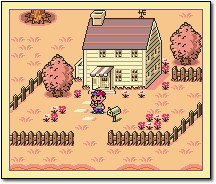 Well, just this month, I felt my yearly EarthBound cravings coming on again (they usually hit sometime during the first two months of the year), so I pulled out the ‘ole SNES and fired it up. This time would be different, though: I dedicated myself to finally seeing the game through — all the way to the bitter end! 2007, I figure, is a good enough year to finish a game that came out in 1995. I’m usually a traditionalist about these things, but my original SNES wasn’t feeling quite right on my fancy new TV, so I figured I’d put a little modern technology on my side to aid me in my quest.
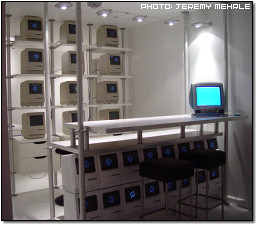
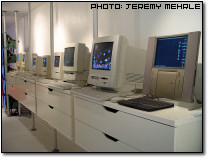
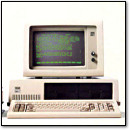
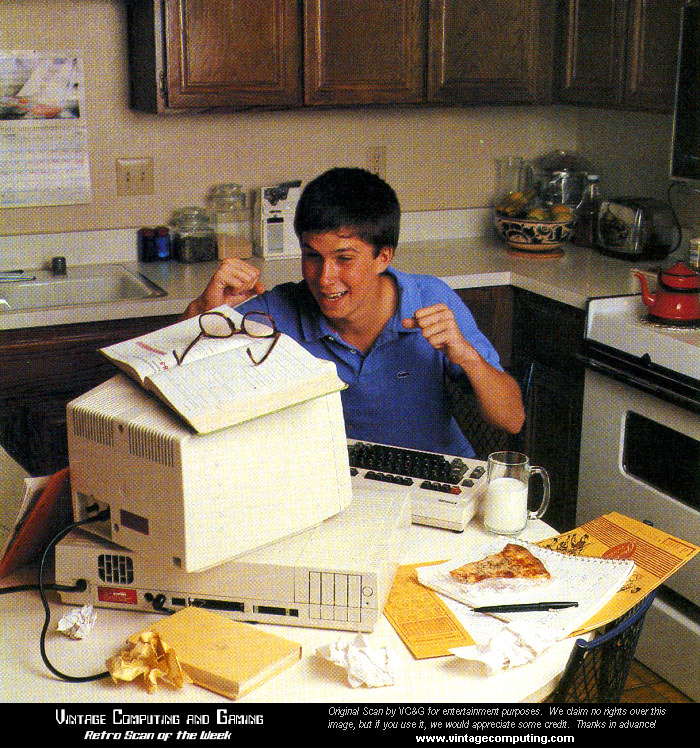
I’ve recently been playing a number of SNES games on an old iMac that I have more or less turned into a dedicated SNES emulator machine. I thought it would be nice, for a change of pace, to play EarthBound on there. Using my Super WildCard DX2, I transferred my EarthBound cart’s SRAM data to a file (which contains all the game’s save information) and 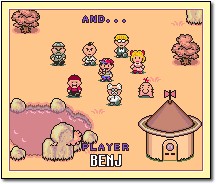 loaded it up on my emulator. I played through the rest of the same game I started in 1996 on the emulator with an authentic SNES pad (via a Super SmartJoy USB adapter, which I’ve been meaning to review for a year or so now). I’m not going to lie to you; save states are the Emulator God’s gift to gaming, and without them, I probably would have completed a few bosses as usual and put off finishing the game until next year. The save states made playing through the game an absolute joy over the past few days, removing all sorts of time-wasting save-related hassles and just generally smoothing out the experience. Screw the purists — it was incredible fun, not a logistical pain in the neck, like playing a game should be.
Now that the journey is over, I have mixed feelings about the whole thing. In one way, I’m ecstatically happy to have finally accomplished something by playing my way through such a masterful game, and in another way, I’m heartbroken that it’s over, as EarthBound is probably one of my favorites of all time. But if it’s one of my favorite games ever, why did it take me ten years to complete?
Maybe I’m just weird like that. Or maybe I didn’t want it to end.
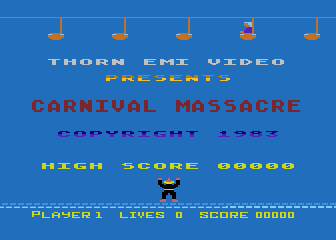 I have to admit that I’ve murdered more than my fair share of virtual people. I always go for the head shot in Gears of War. I run down pedestrians in Grand Theft Auto like it was going out of style. There’s something about the thrill of spilling innocent pixelated blood while hearing digitized screams of absolute terror that keeps me coming back for more, time and time again. And until the McClinsky-Grinhold Virtual Rights Act of 2042 passes, I should be free to indulge in the simulated murder-violence of virtual humans.
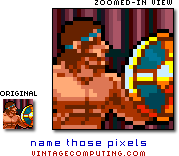 I see now that my previous weeks’ challenges have been too easy! Either that, or you guys are just too good. Time for a real challenge. This week’s theme is “Fantasy Beat ‘Em Ups.” Think Golden Axe, but not. That should help you pin them down. The first block is to the right, the other two are below. As always, post your guesses in the comments section of this entry, and don’t be bashful. Good luck!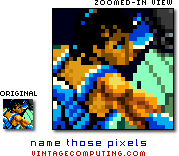
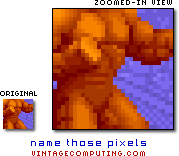
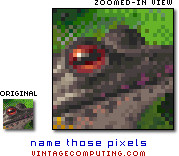 Welcome back! This week’s pixel challenge involves flying bullets. The theme is, appropriately, “Shooter Games.” That means all three of these pixel blocks came from video games considered to fit in the “shooter” genre. That should help you pin them down. The first block is to the right, the other two are below. As always, post your guesses in the comments section of this entry, and don’t be bashful. Good luck!