Ultima IV Now Free on GOG.com
September 1st, 2011 by Benj Edwards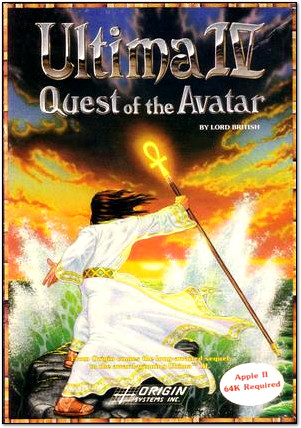
As a commercial game download service, Good Old Games (GOG) has been bringing classic PC titles back to life for a few years now. Just today, GOG announced that the IBM PC version of Ultima IV: Quest of the Avatar is now available as a free download over at their site.
Ultima IV has been available on the ‘Net as an authorized free download off and on over the years, but it’s always nice to have a trustworthy place to get it.
While you’re over at GOG, check out the site’s other offerings. I personally love GOG because they distribute original, full games without DRM. That is very important.






September 2nd, 2011 at 1:31 am
For whatever it’s worth, while abandonware sites are certainly dodgy, Ultima IV *has* continuously been legally available from the highly reliable Ultima Dragons… Aside from that the hosts posted emails from an Origin staff member & linked to the public USENET archive discussion with him, there’s the logical reason that we were the last people on the planet that would want Richard Garriott mad at us. 😉
September 2nd, 2011 at 1:38 am
Oops #1 — I forgot to specify that it’s been available from various well-known Dragons *since 1997* — I’m not sure if there was a public USENET archive before Google started hosting one, though.
Oops #2 — I intended to say that some or most abandonware sites are dodgy… The ones I’m aware of that focus on software for vintage systems like the Commodore 64, Apple II, etc. are trustworthy; I have no experience with sites that focus on programs created after ~1994.
September 2nd, 2011 at 2:24 pm
I used to like GOG, but after that ill-conceived marketing stunt they pulled last year, I stopped supporting them.
September 3rd, 2011 at 11:03 am
Yeah, that marketing stunt was pretty stupid and it disgusted me as well. Still, I like their general business model.
September 6th, 2011 at 5:31 am
I think they did one thing wrong with the PR stunt last year; they overestimated their customers. Does that merit a boycott? I don’t think so.
For me there’s too much to like to let one mistake ruin it all. I firmly believe GOG is one of the most important companies in the gaming industry today. And if the consumer is ever going to be able to stand up to the big dragonlike companies we need the help of sites like GOG.