PC World’s “25 Greatest PCs of All Time”
Friday, August 11th, 2006 You guys have probably figured out by now that I try to avoid “link dumps” and the like here on VC&G. But every once and a while something cool comes along that I have to share with you. In this case, it’s PC World’s list of the “25 Greatest PCs of All Time.”
The reason for the sneezin’ is the 25th anniversary of the release of the original IBM PC in 1981. However, PC World’s list is extra special because it covers all personal computers from every manufacturer and every era. It’s nice to read something in the mainstream computer press about old computers that isn’t full of misunderstandings, mistakes, and misinformation. PC World actually knows what they’re talking about in this case. And while the list (like any “Top # List”) is far from definitive, it’s still a fun read. So mosey on over to their site and check it out. After that, feel free to comment on what would be in your “top 25” list.
Alas…I possess only ten exact models of the top twenty-five personal computers of all time. I better get crackin’.
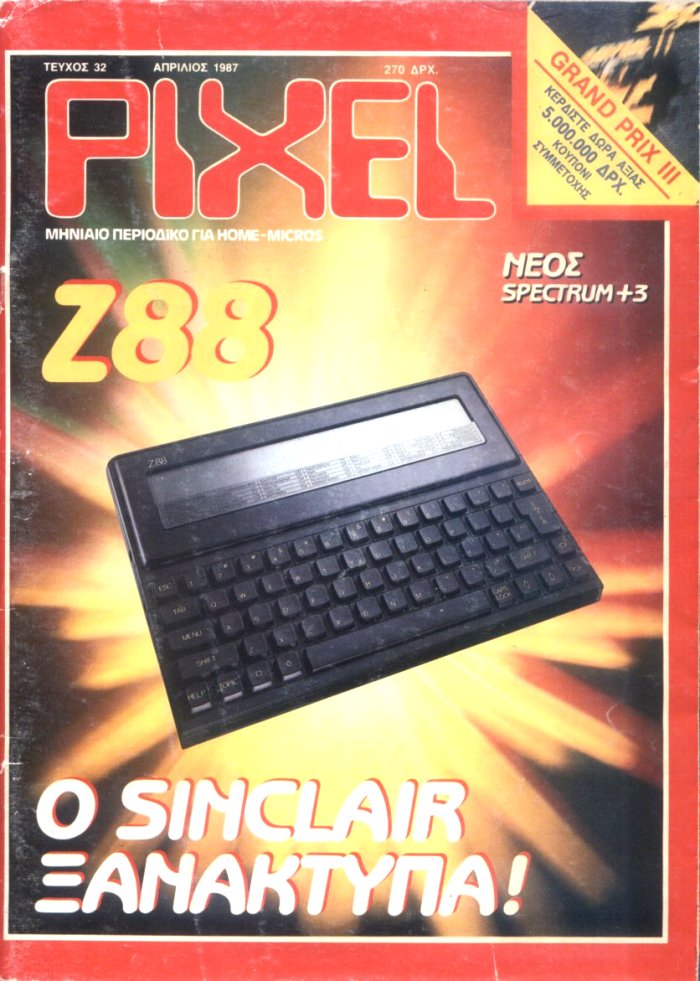
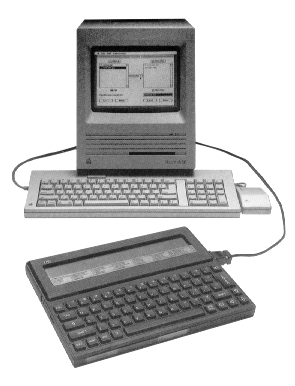
 The little beast even got a few games developed for its A4-sized self. Nothing spectacular, mind you, but Toad, ManicMiner, and Scrazble are still worth a look, even if it’s only an emulated one. To actually have said “look,” and for the full emulated pleasure,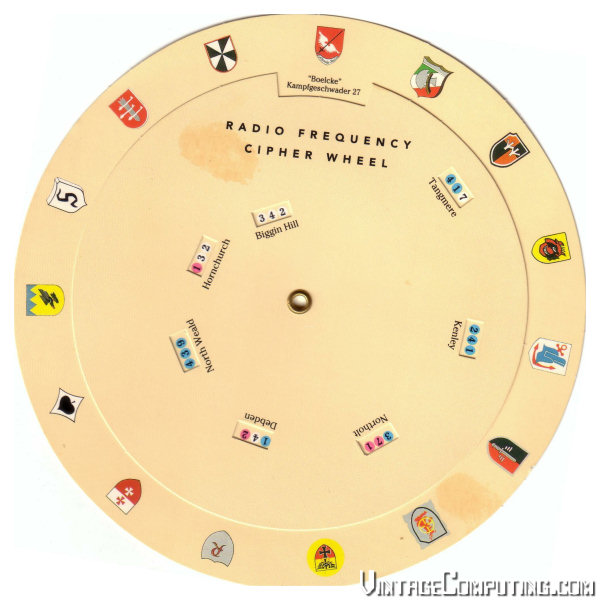

 The early copy protection schemes were much more analog than digital, and tended to fall into two categories: code wheels and manual lookups. That’s right, they used documents and devices that were physically separate from the program. While the games themselves were easy to duplicate, copy protection (C.P.) implementations weren’t. Moving parts, dark-colored pages, esoteric information scattered throughout a manual all meant that photocopying (when possible) could be prohibitively expensive. And without a world-wide publicly available Internet, digital scans and brute-force cracking programs were almost unheard of. For the most part, the C.P. methods were an effective low-tech solution to a high-tech problem.
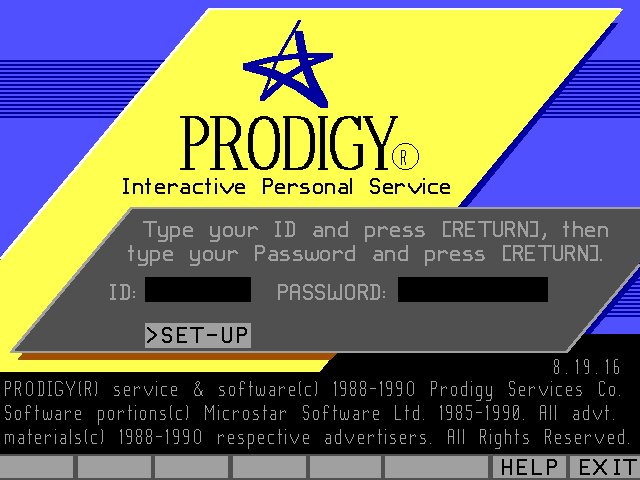
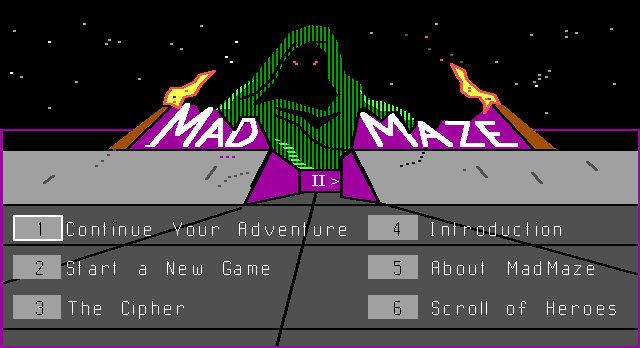
 I’m doing research on the history of commercial online services such as Prodigy, Compuserve, AOL, GEnie, Delphi, Q-Link, The Source, Dow Jones News/Retrieval Service, any videotex or teletext service, and many others for an upcoming project of mine. I would like to talk to, and perhaps interview, former employees of any of these online services if possible. If anyone out there knows how to contact former employees of these services (especially Compuserve and Prodigy), please