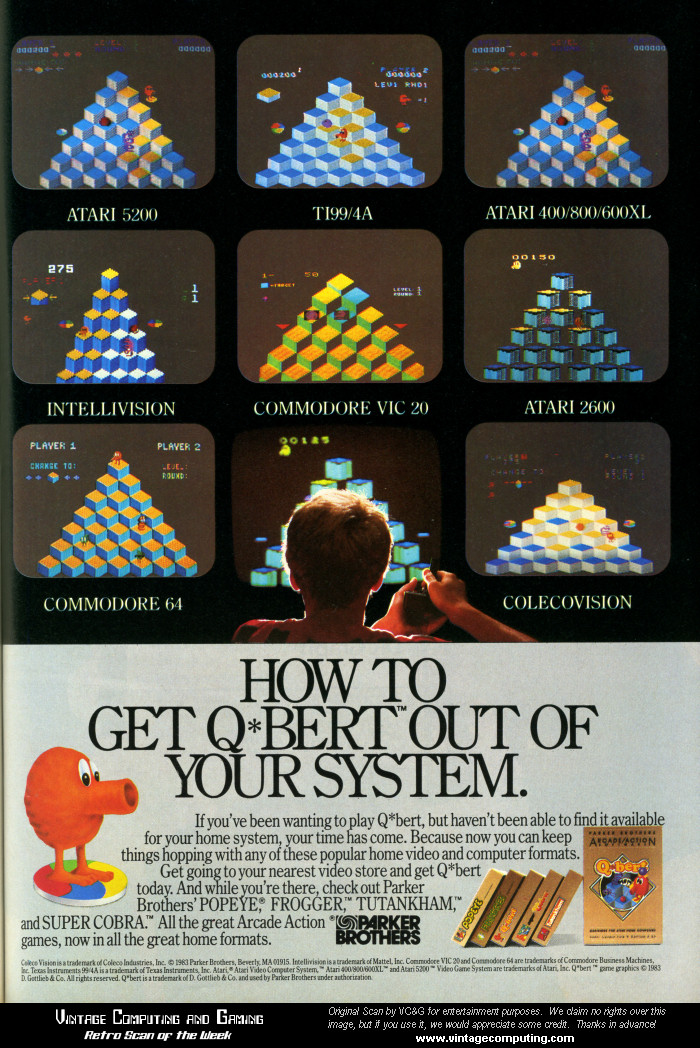
[ Retro Scan of the Week ] Eight Ways to Play Q*Bert
September 10th, 2007 by Benj Edwards
If you use this image on your site, please support “Retro Scan of the Week” by giving us obvious credit for the original scan and entry. Thanks.
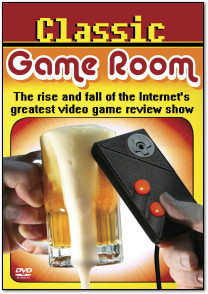
Ever heard of an Internet TV show called The Game Room? If not, then don’t fret. The show, hosted by Mark Bussler and David Crosson, streamed from an obscure website called FromUSAlive.com for just under a year, between November 1999 and October 2000. Even as an active member of the classic gaming community on the Internet since 1995, I had never heard of the show until Inecom’s facetiously-subtitled Classic Game Room: The Rise and Fall of the Internet’s Greatest Video Game Review Show popped up recently. This flawed comedy compilation definitely entertains, but it’s clearly destined for the back shelf of a niche audience.

Read any popular game publication these days, and you’ll probably come across ample mention of Epic Games’ Unreal Engine, the 3D powerhouse behind blockbuster first-person shooters like Bioshock and Gears of War. Believe it or not, one of today’s hottest game engines traces its roots back to a 2D text-based game programmed by a University of Maryland college student during the golden age of shareware.
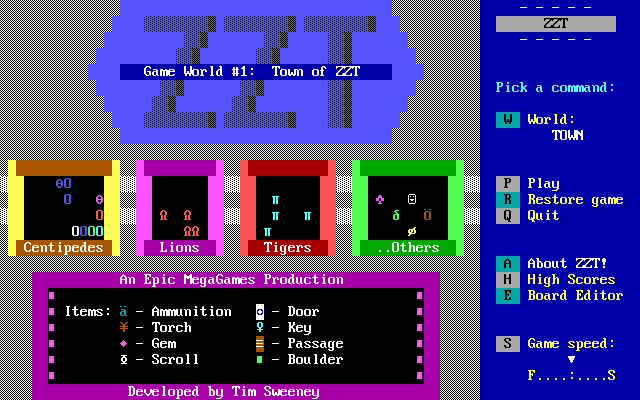
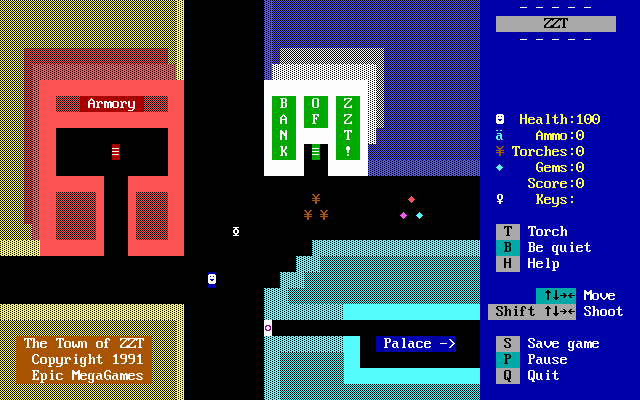
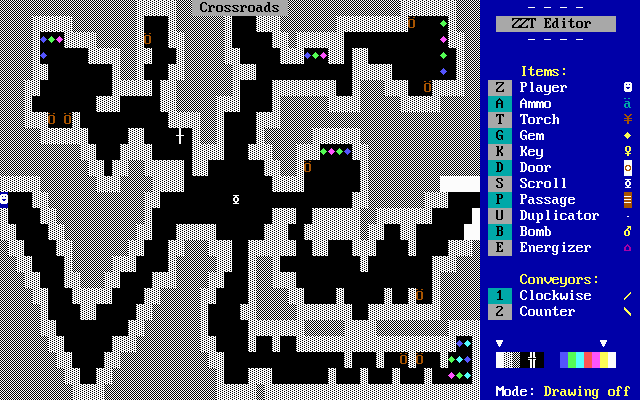
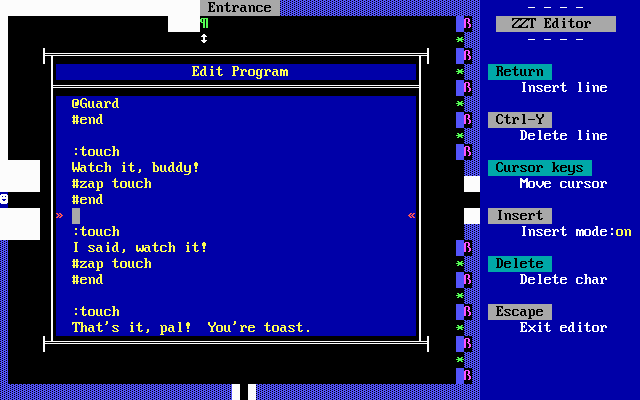
Tim Sweeney founded Potomac Computer Systems in 1991 with the release of ZZT, a graphical ASCII character-based game that ran on a simple object-oriented platform programmed by Sweeney. With an in-game editor, Sweeney created multiple ZZT episodes that he sold to finance the new company. Luckily, Sweeney didn’t limit the in-game editor to himself; it featured prominently on the title screen of the free shareware edition. Much to Sweeney’s surprise, the editor itself soon became the most popular part of ZZT, allowing players to create their own games in the ZZT engine. Potomac changed its name to Epic MegaGames, and a shareware giant was born.

A large community of rabid ZZT fans still thrives thanks to the Internet, where enthusiasts trade nostalgia, user-made games, and the latest attempts to squeeze every last drop out of the ZZT engine through emergent programming techniques. For example, clever world builders have managed to reproduce just about every major 2D game genre — even genres the engine wasn’t designed for — in ZZT‘s editor, albeit in primitive forms. For modern ZZT fans, the game’s fun lies not only in playing the community’s user-created games, but in the challenge of creating new and unexpected things with a simple set of tools and components.
The original shareware package of ZZT only included one game: Town of ZZT, a whimsical adventure created by Sweeney that calls upon a player’s action and puzzle-solving skills. But in the late 1990s, Epic released all of Sweeney’s classic ZZT episodes as freeware, so you’ll find those worlds in the file below as well, including Dungeons of ZZT.
Have fun. Feel free to share your fond ZZT memories (or latest ZZT exploits) with the rest of us.
(Update – 05/25/2009: If you love ZZT, check out this interview I conducted with its creator, Tim Sweeney.)
| ZZT 3.2 | |
| Release Date: | 1991 |
| Author: | Tim Sweeney (Epic MegaGames) |
| Platform: | MS-DOS |
| Runs Best On: | Any 286 PC or faster with MS-DOS |
| Notes: |
Includes full Town, City, Caves, and Dungeons of ZZT episodes. ZZT runs pretty well on modern computers under Windows. You might also want to try running the game under DOSBox. Uses the PC speaker for sound. |
| – Download ZZT 3.2 – (175KB) | |
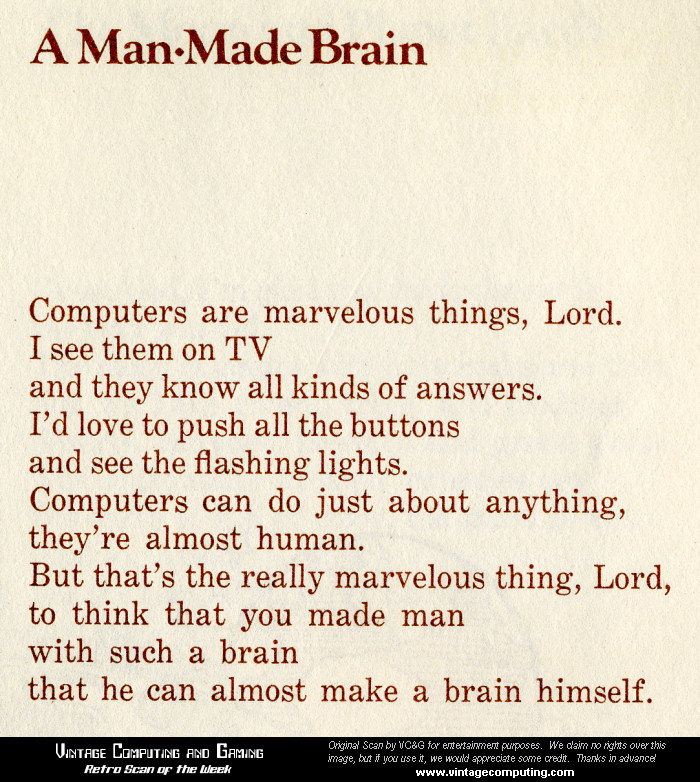
My regards to Jones for his futuristic insight. And for blowing my mind.
If you use this image on your site, please support “Retro Scan of the Week” by giving us obvious credit for the original scan and entry. Thanks.
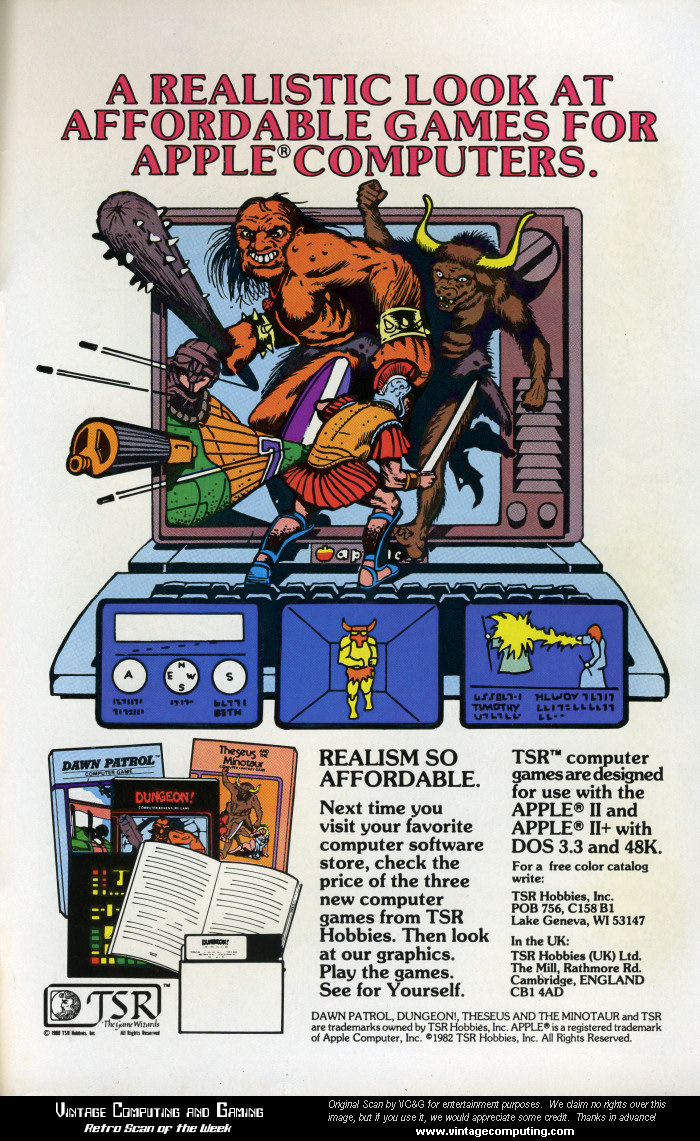
“Realistic” computer games from the makers of Dungeons & Dragons.
If you use this image on your site, please support “Retro Scan of the Week” by giving us obvious credit for the original scan and entry. Thanks.
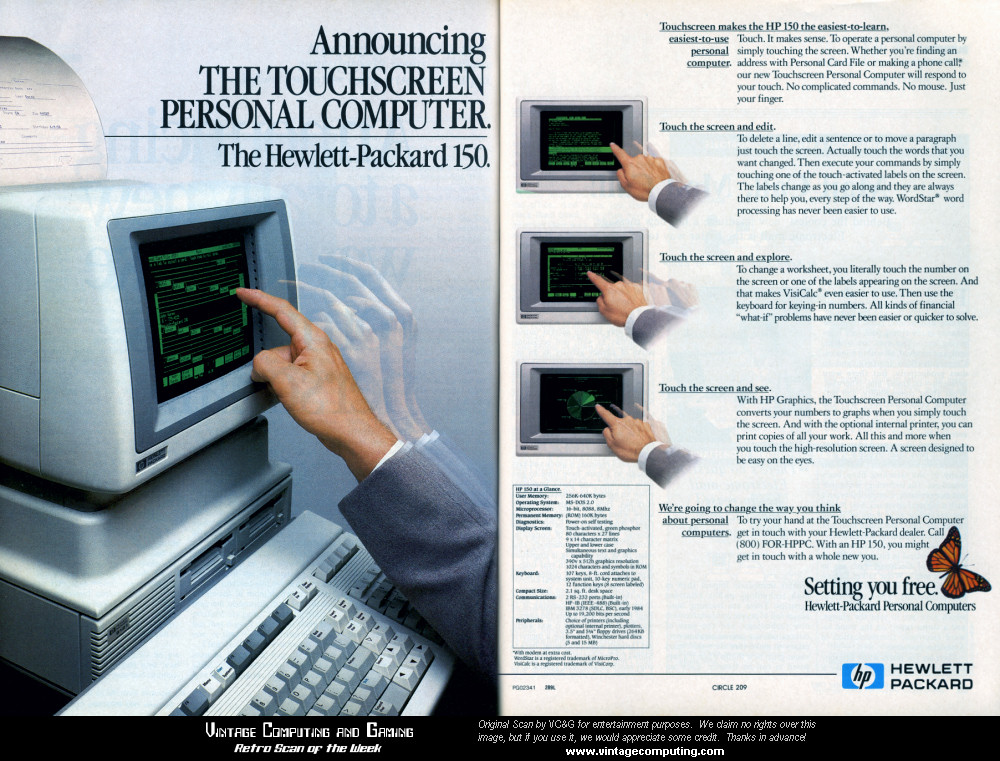
The HP-150 uses a crude, low-resolution method for detecting finger placement on its display. The unit projects a grid of infrared beams across the surface of the screen. By sensing which beams are obstructed by an object, the computer can calculate the coordinates of the touch.
Aside from the touch-screen, The HP-150 is notable for being the first U.S. computer to use Sony’s 3 1/2-inch “micro-floppy” disk format, as well as support for Ethernet networking, hard disks, and HP’s first LaserJet printer (through an HP-IB interface). Not bad for 1983.
Anybody have one of these that they don’t want anymore? I’d love to add one to my collection.
[ From Personal Computing, December 1983 ]
If you use this image on your site, please support “Retro Scan of the Week” by giving us obvious credit for the original scan and entry. Thanks.
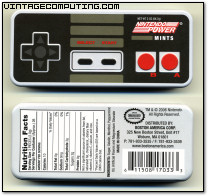
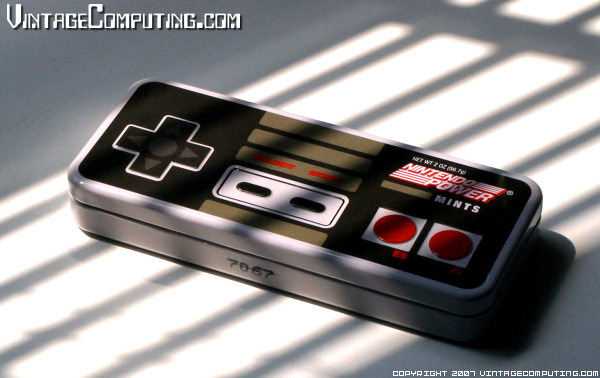
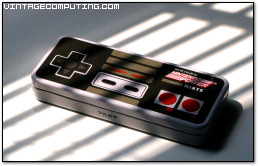
While strolling through my local World Market store last year, a familiar-looking candy tin caught my eye. Upon further inspection, I realized that it was shaped like a NES control pad. Trying to avoid another impulse purchase, I passed up the opportunity.
Fast forward to yesterday, when my wife comes home from shopping and announces that she has a present for me.
“Close your eyes, and put out your hand.”
I reluctantly comply.
“Now spin around three times.”
As I slow down, she places a cold, rattling metal box on my palm. I open my eyes. To my astonishment, I find a brand new tin of Nintendo Power mints floating in thin air — just above the floor, as I collapse.
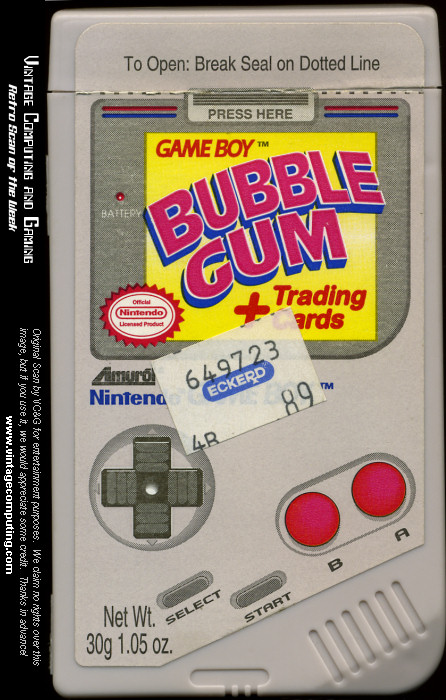
It was particularly good gift, since I had co-incidentally been thinking about them recently because of my last “Game Boy Bubble Gum” Retro Scan. Some gifts are worth a bruise or two.
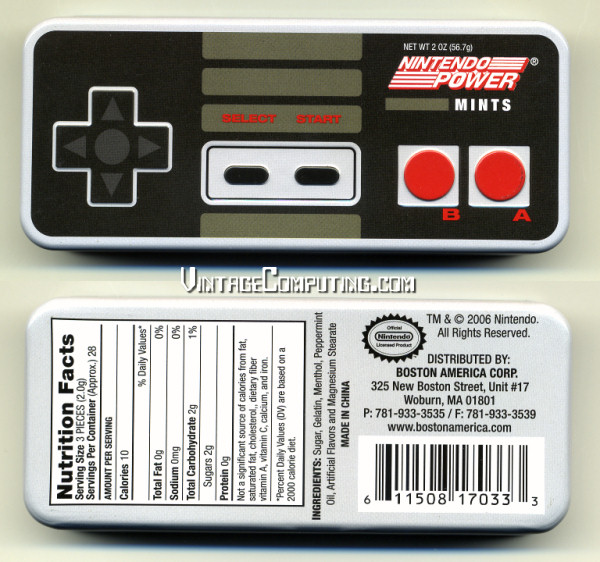
For $1.49 (US), you get about 84 white, pill-shaped mints in a stylish metal package. Unfortunately, I found the mints’ flavor to be somewhat lacking: unlike Altoids, these are “curiously weak” mints with a slightly unpleasant chalky consistency. But the tin alone is probably worth the price. Therein lies all the novelty, of course, and the real reason anyone would buy this product.
The tin’s two-part design of smooth, rounded aluminum closes firmly and is well-constructed. It’s about the same size as a real NES controller, which is particularly cool. The printed control-pad effect is significantly enhanced by the slightly embossed buttons and D-pad on the lid of the tin. And after you finish all your mints, you can store your Nintendo DS games and extra styluses in it. Or dead bugs — it’s your choice.
Why the manufacturer branded these mints with “Nintendo Power” (the official magazine of all things Nintendo) is unknown to me. It would have been much cooler if they referenced the Nintendo Entertainment System (in words) somewhere on the package. Barring that, they could have at least called it the “Mintendo Entertainment System.”
Now you’re eating with power. Minty power.
| The Skinny: Nintendo Power Mints | |
| Good Features: | Awesome NES control pad-shaped tin. Inexpensive. Very few calories. Useful for Nintendo DS game storage. |
| Bad Features: | Mints have an authentic left-over-from-the-1980s chalky taste. They’re called “Nintendo Power” mints for some reason. |
| VC Rating: (10 Being Best) |
[ 7 out of 10 ] Shiny Marbles – Very Good |
If you use this image on your site, please support “Retro Scan of the Week” by giving us obvious credit for the original scan and entry. Thanks.
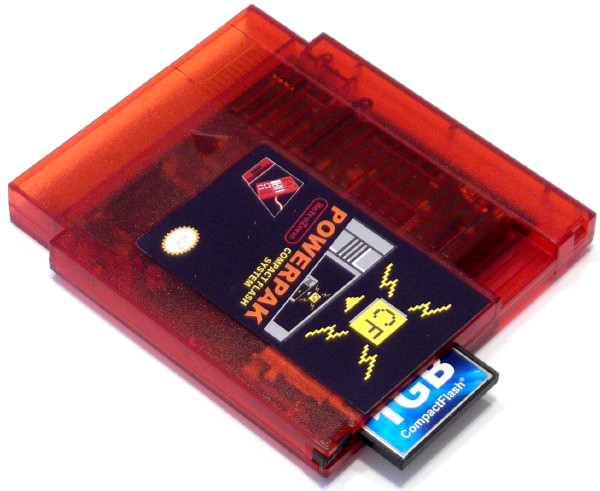
For a Nintendo Entertainment System fan, it’s a once-impossible dream finally come true: a thousand games at your fingertips in a real NES console. RetroZone has done it first with the PowerPak, a new NES flash cartridge. With the PowerPak, you can fit every NES game ever made, around the world, onto one cartridge. Dumped ROM images of the games are copied to a compact flash card, which slides into the PowerPak unit itself. Turn on the NES with the PowerPak cart inserted, and you’ll see an on-screen menu that lists all the games on the cart. Pick one from the list, you’ll be playing the game as if you had the game’s original cartridge in the console. With a flash multicart like the PowerPak, NES users no longer need to switch cartridges between games. As an owner of over 250 NES games, I personally have been looking for a product like this for a long time.
Perhaps even more exciting is the PowerPak’s potential to jumpstart homebrew development in the NES community. Unlike the Atari 2600, Nintendo’s most famous console is woefully lacking amateur home-programmed software. RetroZone is out to change that with their new PowerPak products, which significantly lower the barriers to entry in developing games for play on a real NES unit.
Brian Parker, a resident of Redwood City, CA, has run RetroZone full time for three years. His company is well known in the retrogaming community for its sales of original console controllers — like NES, SNES, and Genesis control pads — modified to work with the USB ports found on modern computers. In 2005, I reviewed one of his USB NES controller products and found it to be excellent (I still use it regularly, in fact). But it was with the new PowerPak NES flash cartridge in mind that I interviewed Brian via email last month.
Also an avid cyclist, Brian gave me a picture of him competitively riding a racing bicycle, the only known picture of him in existence. Ok, I’m kidding — but it is him.
Thanks for the interview, Brian.
[ Update (11/02/2007): Click Here to read our review of the RetroZone PowerPak flash cart. ]
[ Continue reading [ VC&G Interview ] Brian Parker on RetroZone and the PowerPak NES Flash Cart » ]